New post up now at The Bookends Review.


New post up now at The Bookends Review.
Soundings East is a beautiful and brave publication run by Salem State University Press. My piece “Psalm Ambulista” was accepted to be printed in the Spring 2025 issue (Soundings East Volume 47), but I had to pull out because I had just signed over first serial rights elsewhere. If you are looking for a good old fashioned literary magazine – full of varied, prescient and insightful voices – with just the right weight to hold in your hand, I highly recommend this imprint.
It starts off with Richard Hoffman’s heartbreaking essay, beginning with his personal memories of Mosab Abu Toha singing with him, and his confrontations with the narratives of warlords. It continues with Stephanie Saywell’s confrontations with self. It leaves us with Malak Mohammad Al-Hessi’s haunting photo of The Great Omari Mosque in Gaza.
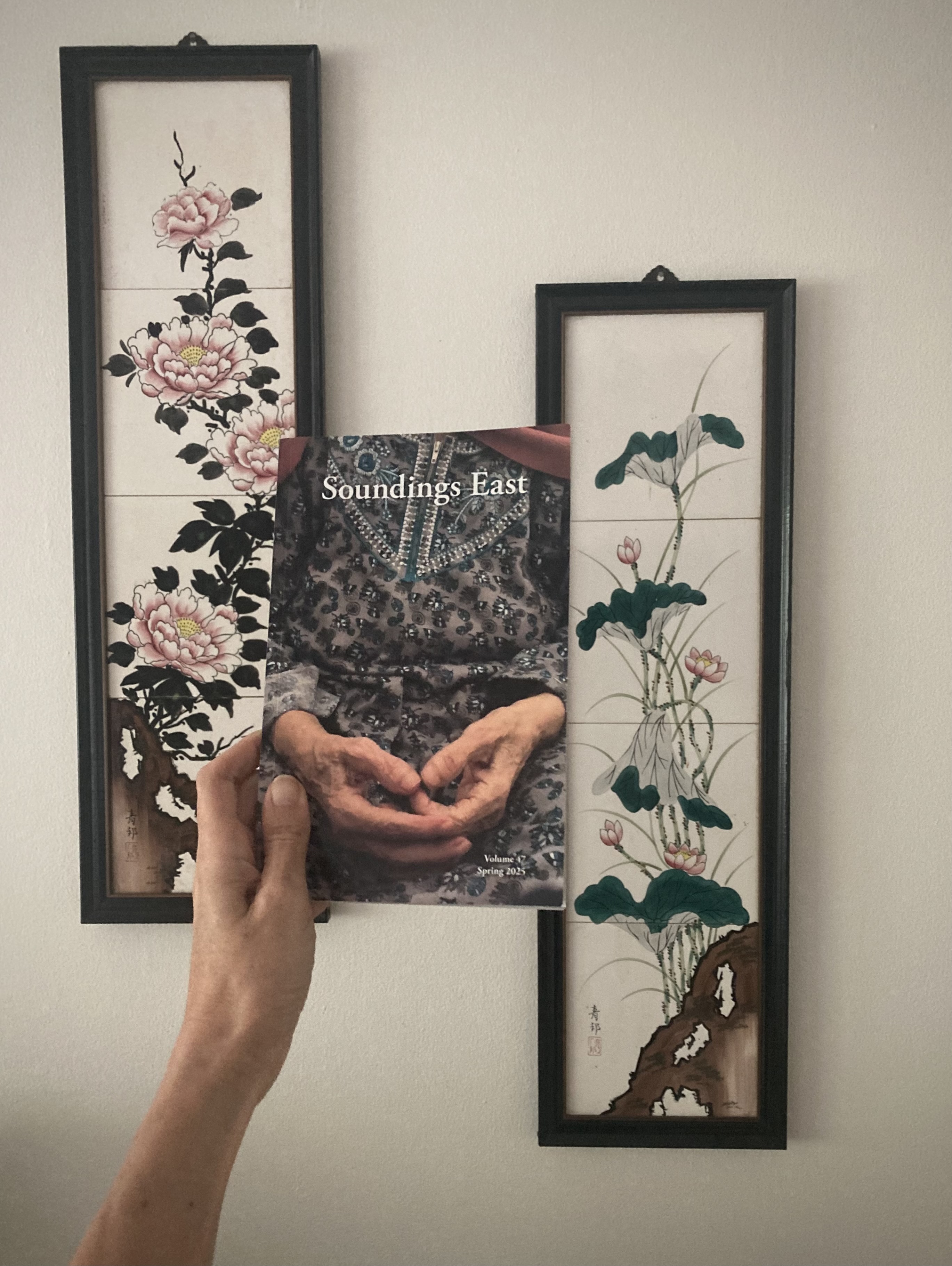
I used to sell zines of mine in the local bookstores with staples in them and my journal scribbles photocopied in black and white at the library. Maybe to a fault, I tend to equate a certain polish with insincerity. This book looks good on a shelf, but its real beauty lies with the words inside.
Oxford defines sounding as the action or process of measuring the depth of the sea or other body of water. A fitting title for a fine publication.
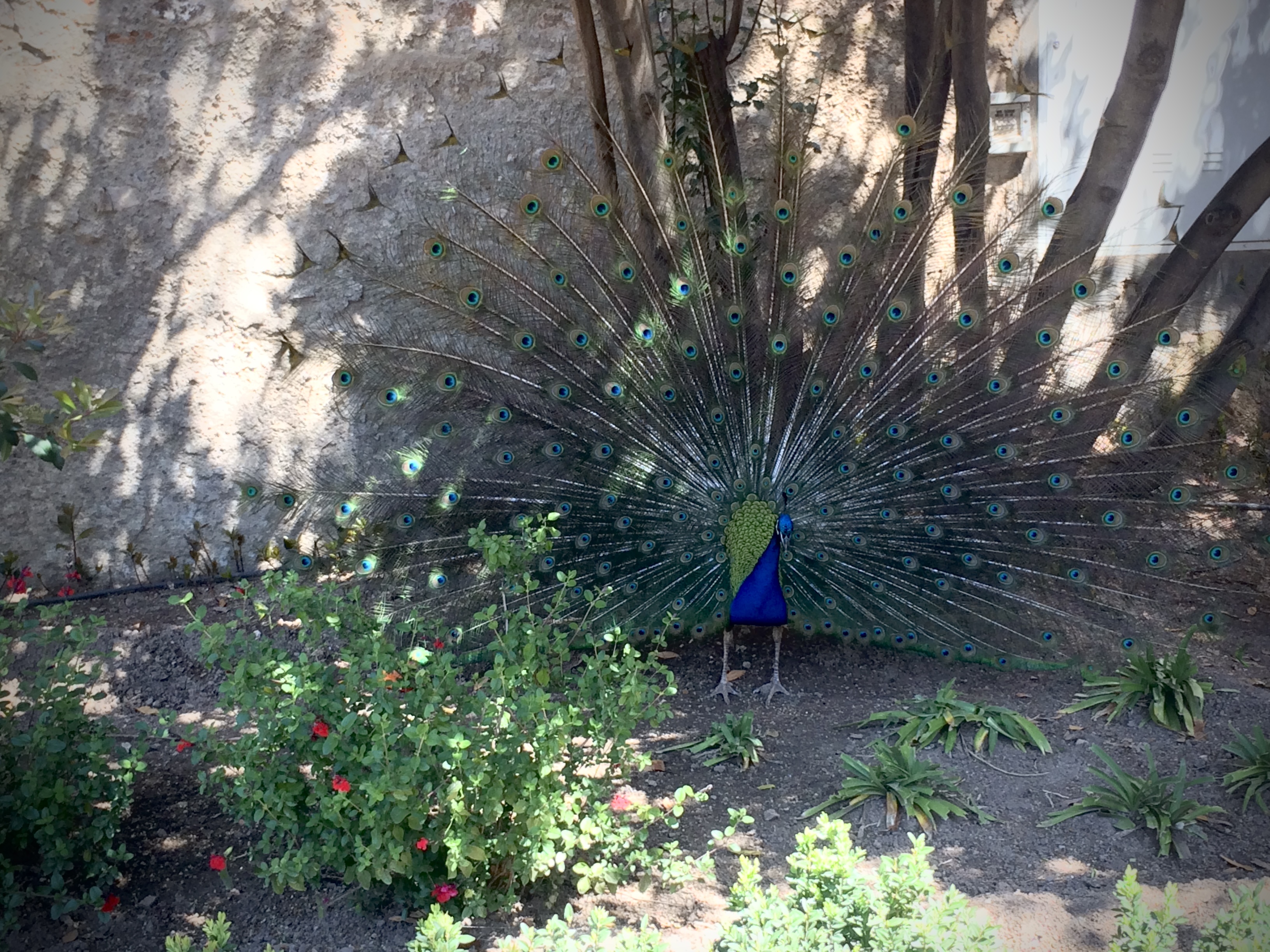
This past week the poet and novelist Ben Lerner spoke with the students of SUNY New Paltz about his work. Lerner is the poetry editor for Harpers, and the previous poetry editor for Critical Quarterly. He is also currently a professor at Brooklyn College, and has taught at The University of Pittsburgh and California College of the Arts. His latest book is The Lights (2023).
Lerner discussed, in his terms, “the dramas of repurposing language and recontextualizing language.” (1) I was first introduced to Lerner through his poetry book Angle of Yaw, published in 2006 by Copper Canyon Press. The “angle of yaw” is the angle between the direction of travel and the direction of wind, specifically the rotation around the vertical axis (picture shaking your head no).
Continue reading “every unknown wanderer”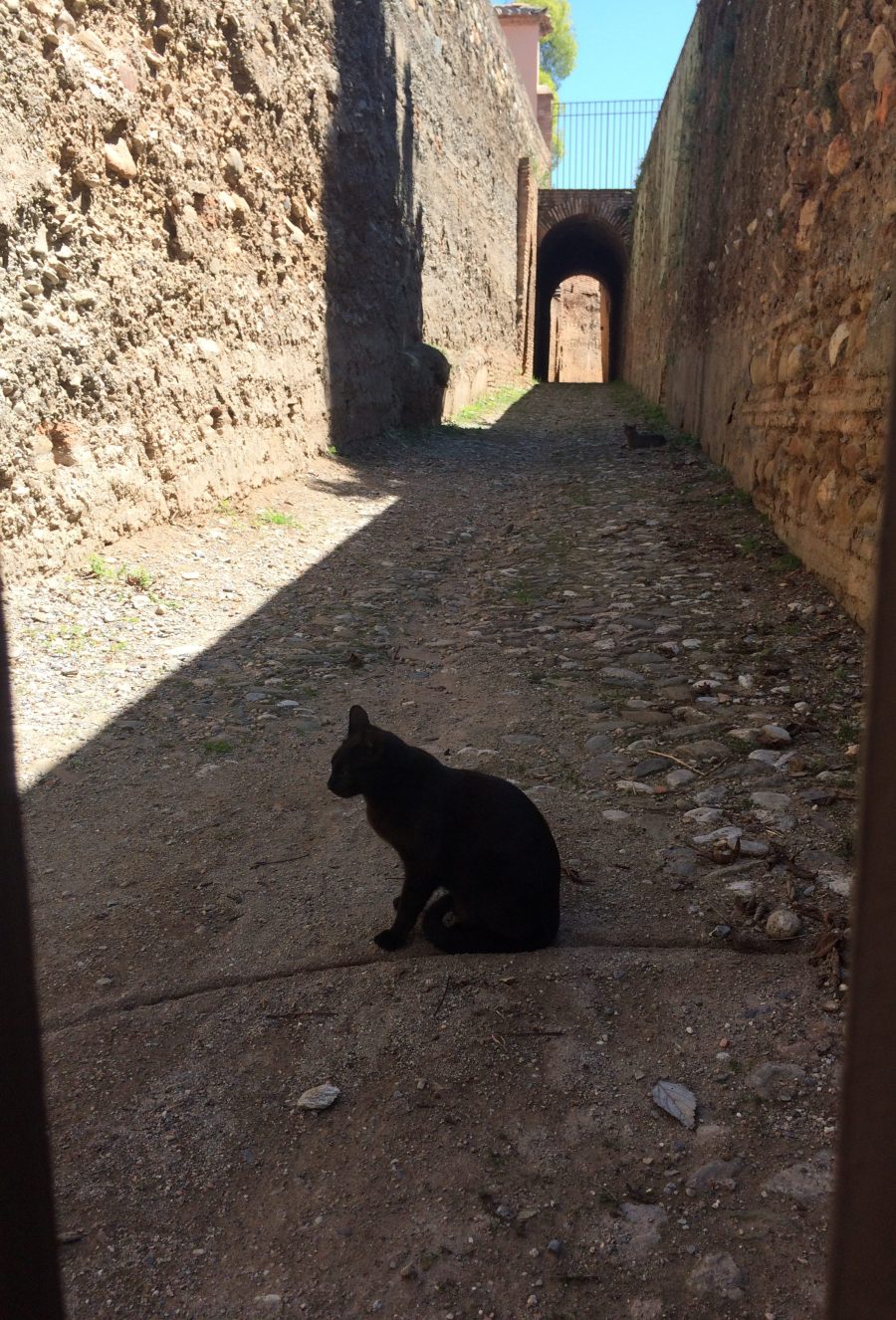
The North American Review has a great translation up of Macario Matus’ “Binnizá.” This world of ocelot grandparents and fish brothers is vivid and green, welcoming in the depths of New York’s midwinter grays. I had no idea there were so many different Indigenous languages spoken in Mexico.
In flamenco dance, the hand movements are referred to as floreo. These are what I pictured in reading the line “your hands were comets crossing.” The Spanish word “floreo” comes from the Latin word for flower, and – in fencing and music – means a flourish.
Continue reading “your hands were comets crossing”Sometimes a good rejection is the highlight of your day, and it was for me a couple of days ago.
Letters Journal is supported by the Yale Institute of Sacred Music (ISM), and a dream spot of mine to be published in. Read it here.
“What logos lights the filament of time, / Carbon arc fusing birth-stone to head-stone?” (Jean Valentine, “Afterbirth”).
These little deaths we dance our way through, that is where we find our value.
New work forthcoming from The Bookends Review.
Forthcoming from Querencia Press
An exerpt from a story of mine from 2022:
When I walked there it was always in a circle, for it was laid out that way, like a ritual. The pines would get pushed around by the wind like the little lights atop ten thousand candles, and that is where I would bring my questions, I would bring my questions to the field and she would answer me, sometimes immediately, in lively conversation, sometimes slowly and over a season or so.
Continue reading “the pines”p.19 the strange bright fact that breathes and eats out there, the thing that’s not the movies
p.21 the true life is not reducible to words spoken or written, not by anyone, ever.
p.22 these are the unsorted thoughts we have looking out the train window, small dull smears of meditative panic. the sun was burning down…
Continue reading “point omega notes”My latest writing contains inspiration from Silvia Federici’s contemporary work and Wace’s Roman de Rou, because in the twelfth century struggles against desperate gestures of control from the nobility and other old and corrupt institutions was also a thing. Doesn’t nature’s abundance and preserverance seem to mock these constructed narratives of our reliance on these crumbling institutions? As their systemic evil is further exposed, I find myself wondering is there more than just carelessness behind their direct assault on the natural world and her powers? Is this the one ally they know we need?
Working in a museum for years, I learned that the point of reciting, revising and revisiting history is to not lose the lessons our ancestors already learned the hard way. It is a concern for the present that keeps these old tomes and debates green.
 l noelle mclaughlin